Application guides
Where our resins are put to work
39 documented use cases — from water tanks and roofing sheets to marine hulls and jewellery casting — matched to the Samrat Poly Resins grade each one actually uses.
General FRP Applications12
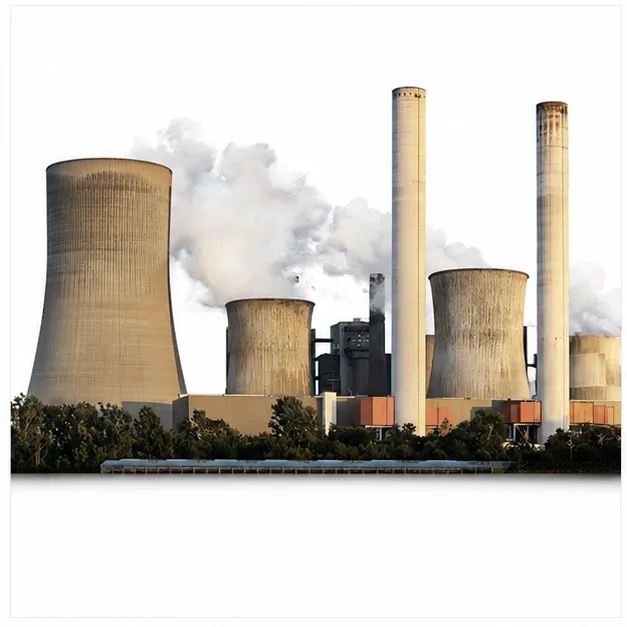
Resin for Cooling Tower Manufacturing
Cooling tower components face constant moisture and temperature cycling, demanding a laminate with lasting mechanical strength and chemical resistance.
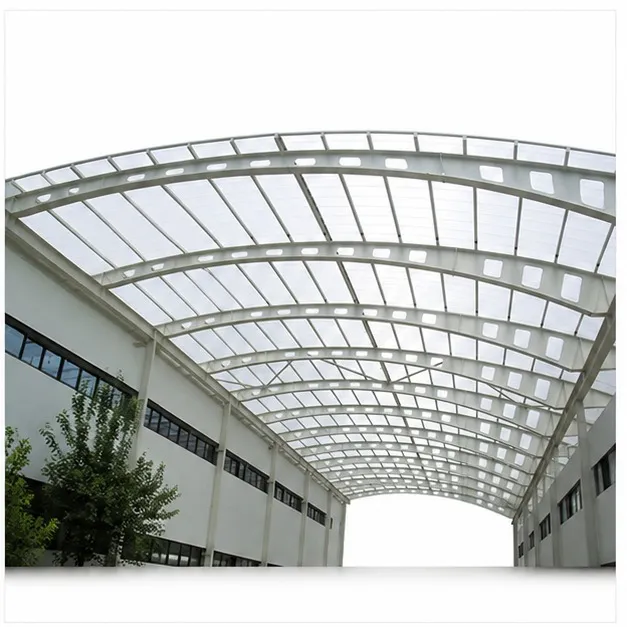
Resin for Roofing Sheet Manufacturing
Roofing and cladding sheet manufacturers need even lamination across large panel areas, without pooling or dry patches that weaken the sheet.

Resin for FRP Door Manufacturing
FRP doors need a laminate that bonds well to the door-skin substrate and holds its shape and strength through years of daily use.
Resin for Door Skin Manufacturing
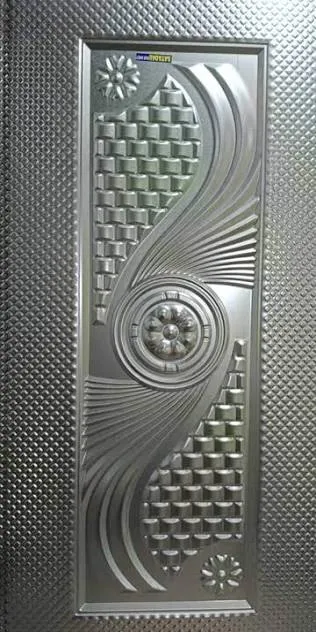
Door skin production calls for excellent wet-out and a clean, glass-like cured finish straight out of the mould.
Resin for FRP Panel Manufacturing
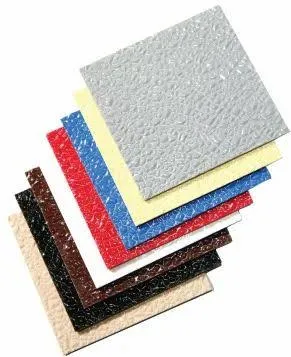
General FRP panels — from partitions to enclosures — need a resin that processes predictably at volume, batch after batch.
Resin for Hand Lay-Up Process
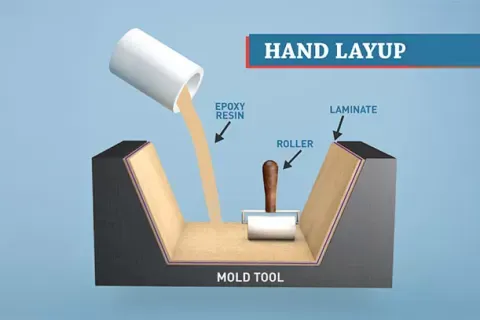
Hand lay-up is the most common FRP fabrication method, and it depends on a resin that wets out reinforcement by hand without dragging or pooling.
Resin for Spray-Up Process
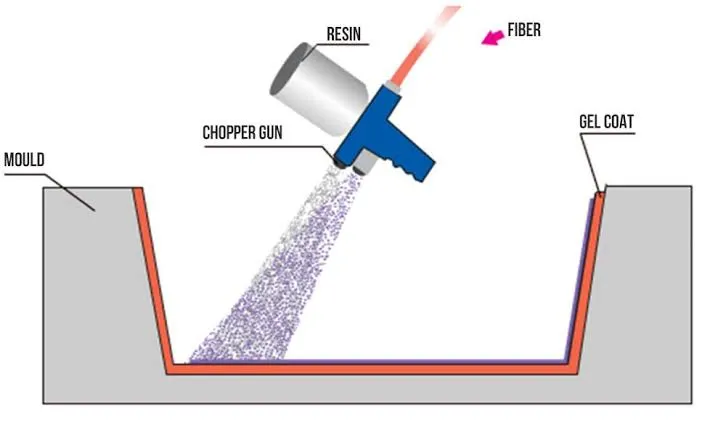
Spray-up production needs a resin that atomises cleanly through spray equipment and gels on a predictable schedule.

Resin for Boat & Marine Components
Marine and boat components need proven wet-out over glass fibre reinforcement and reliable strength once the laminate cures.
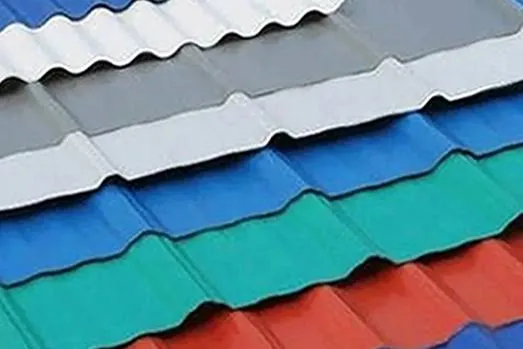
Resin for General FRP Lamination
Whatever the lamination job, fabricators need one resin whose viscosity, gel time and strength stay consistent across varied work.
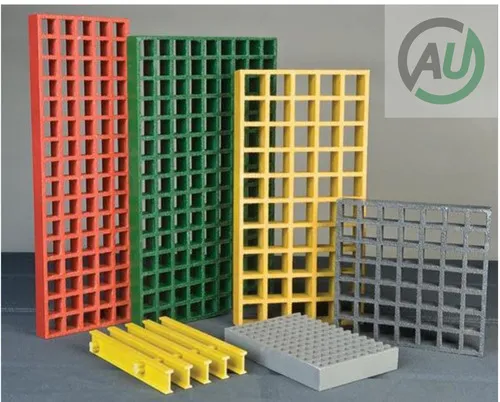
Resin for General FRP Moulded Products
From tanks to novelty mouldings, general FRP moulded products need a laminate that cures reliably and releases cleanly from the mould.
Epoxy Art Resin for Table Tops & Surface Coating
A selection guide for pouring Epoxy Art Resin as a self-levelling clear coat over table tops, counters, artwork and decorative panels — the coating role, as distinct from casting a thick block.
Fire Retardant Resin for Railway & Transport FRP
What to establish before specifying a fire retardant polyester resin for railway, bus and transport FRP components — including the one thing the resin data cannot tell you.
Lamination Applications06

Resin for Door Lamination
Decorative doors need a resin that bonds laminate and veneer sheets firmly to the door face, curing quickly enough for efficient press cycles.

Resin for Door Skin Lamination
Bonding a moulded FRP door skin to its core is a distinct step from moulding the skin itself, and depends on fast-curing resin and glass fibre reinforcement.
Resin for Wooden Door Lamination
Solid-wood and wood-core doors are commonly faced with a decorative veneer, bonded on with a fast-curing resin to protect and finish the timber surface.

Resin for Decorative Panel Lamination
Wall panels, partitions and architectural cladding are often faced with a decorative laminate sheet, bonded on with a fast-curing resin for a durable interior finish.

Resin for Decorative Plywood Lamination
LR Resin bonds a decorative laminate or veneer face onto already-manufactured plywood — it does not make the plywood board itself.

Resin for Furniture Lamination
LR Resin is one of several methods furniture manufacturers use to bond decorative laminate onto panels — alongside PU and contact adhesive systems.
Gelcoat Applications05

Gelcoat for Boat & Marine Hull Finishing
Boat and marine hulls need a smooth, glossy cosmetic skin applied to the mould first — a surface coating, not the structural laminate that gives the hull its strength.

Gelcoat for FRP Bathware & Sanitaryware
Bathtubs and shower trays need a smooth, glossy mould-facing surface coat applied before the structural laminate — the cosmetic finish, not the reinforced backing.
Gelcoat for Water Tank Exteriors
FRP water tank exteriors need a clean, glossy cosmetic surface coat applied to the mould face — separate from the structural laminate that forms the tank wall itself.
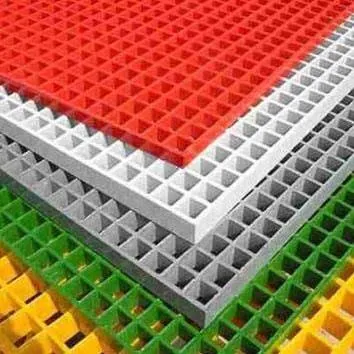
Gelcoat for General FRP Mould Finishing
Panels, mouldings, furniture and décor items need a smooth, glossy mould-facing surface coat, applied before the structural laminate behind it — the cosmetic layer, not the structural resin.
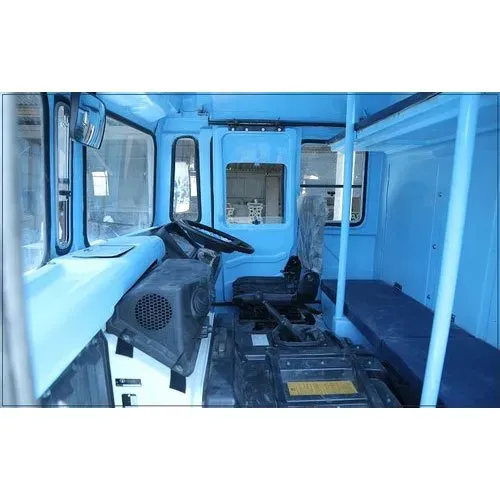
Gelcoat for Automotive & Transport Body Panels
FRP body panels for buses, autorickshaws and trucks need a smooth, glossy cosmetic surface coat applied to the mould face — separate from the structural laminate built up behind it.
GP Yellow Resin Applications07
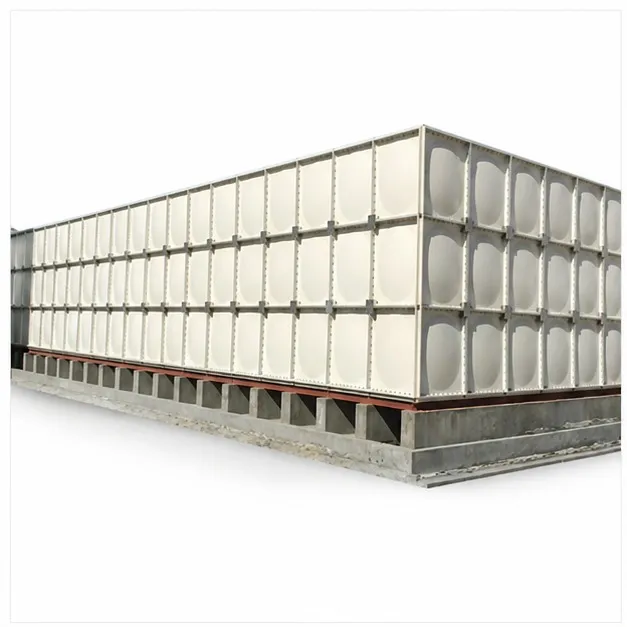
GP Yellow Resin for Water Tank Manufacturing
Water tank panels need a resin that wets out glass reinforcement cleanly and cures into a strong, leak-resistant laminate — GP Yellow Resin's orthophthalic base and MEKP/cobalt cure suit this structural role wherever the tank's exterior is finished over the resin's natural yellow tint.
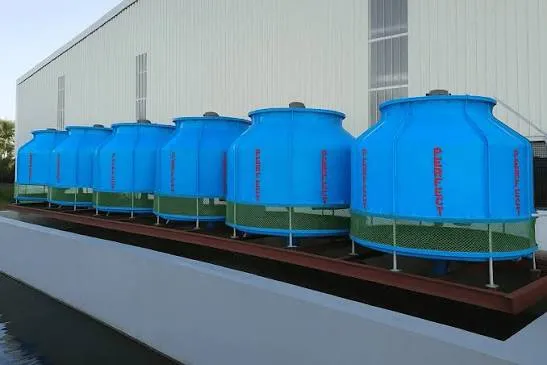
GP Yellow Resin for Cooling Tower Manufacturing
Cooling tower casings and internal components need a resin that cures reliably under sustained moisture — GP Yellow Resin uses the same MEKP and cobalt octoate cure system as GP Clear Resin, in a thicker, slightly slower-gelling grade suited to larger panel lay-ups.
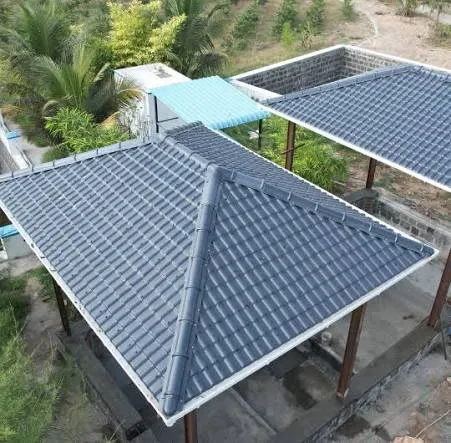
GP Yellow Resin for Roofing Sheet Manufacturing
GP Yellow Resin's transparent yellow, general-purpose orthophthalic base wets out reinforcement for corrugated FRP roofing sheets. For a factory-pigmented grade tuned specifically for sheet production instead, Sheet Grade Yellow Resin is the dedicated alternative.
GP Yellow Resin for Door Skin Manufacturing
Moulded FRP door skins need a laminating resin that wets out reinforcement cleanly behind a gelcoat-finished face — GP Yellow Resin fills that structural role with the same cure chemistry as GP Clear Resin, in a thicker, slower-gelling grade.
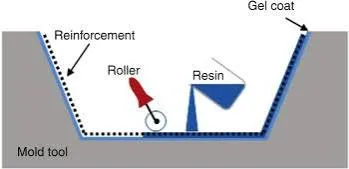
GP Yellow Resin for Hand Lay-Up Process
Hand lay-up work relies on a resin that saturates chopped strand mat evenly, layer by layer — GP Yellow Resin uses the standard MEKP and cobalt octoate cure system, differing from GP Clear Resin mainly in its thicker body, slower gel and yellow tint.
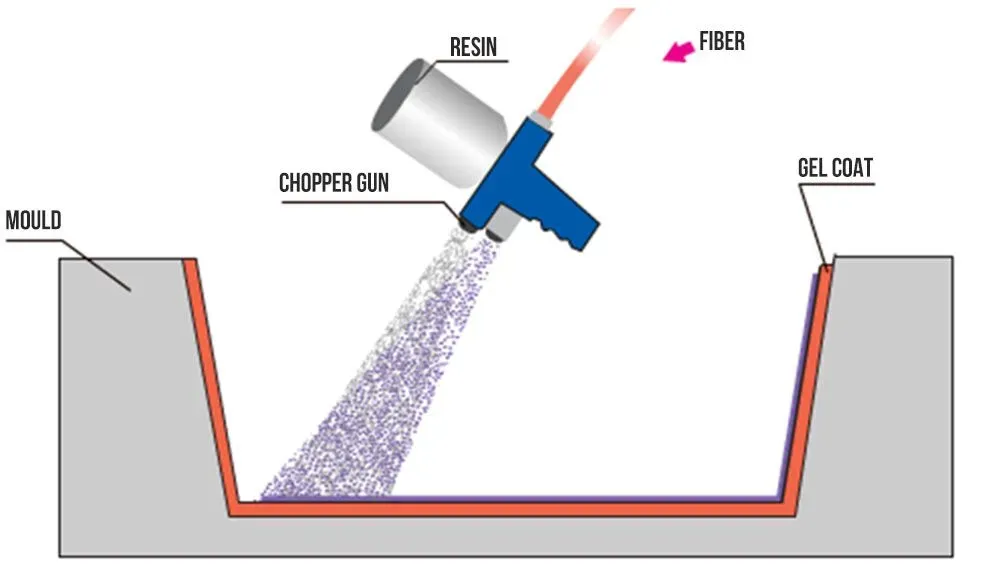
GP Yellow Resin for Spray-Up Process
Spray-up equipment chops and wets out fibre in a single pass, and GP Yellow Resin's viscosity and non-accelerated MEKP/cobalt cure make it workable through standard spray-up rigs — the same process route as GP Clear Resin, in a thicker, slower-gelling grade.
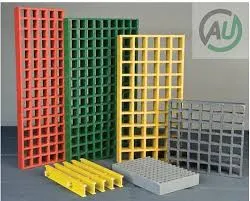
GP Yellow Resin for General FRP Moulded Products
Panels, furniture, planters and general moulded FRP items need a dependable general-purpose laminating resin behind their surface finish — GP Yellow Resin serves this role wherever the part is painted, gelcoated or otherwise finished over its natural yellow tint.
Vinyl Ester Resin Applications04
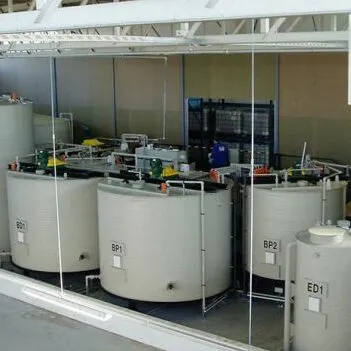
Vinyl Ester Resin for FRP Chemical Storage Tanks
A buyer-selection guide for the documented use of Vinyl Ester Resin in FRP chemical storage tanks and vessels. Confirm the actual service requirement before specifying a finished system.
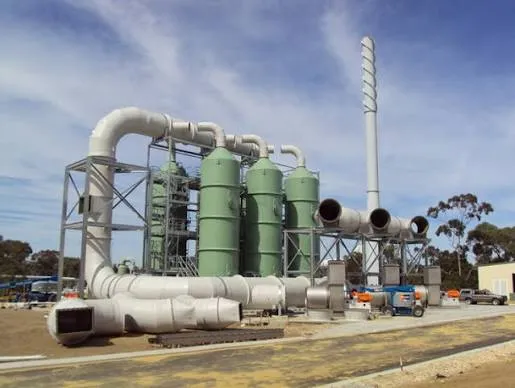
Vinyl Ester Resin for FRP Pipelines, Ducts & Scrubbers
A buyer-selection guide for the TDS-listed use of Vinyl Ester Resin in FRP pipelines, ducts and scrubbers. Verify the real service requirement before selecting a finished system.
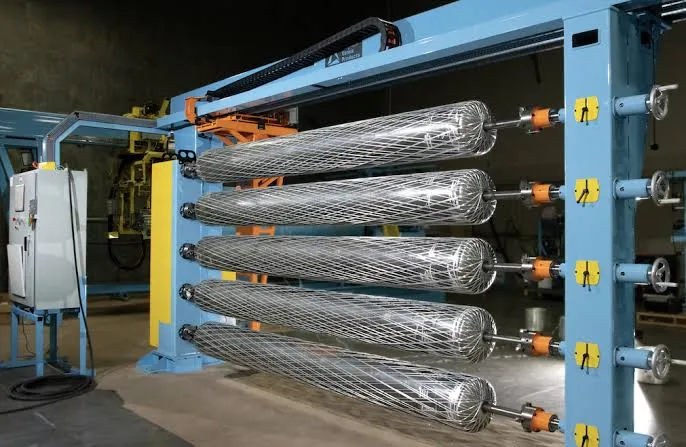
Vinyl Ester Resin for Filament Winding
A buyer-selection guide for the TDS-listed use of Vinyl Ester Resin in filament-winding processes. Confirm the complete process and finished-component requirements separately.
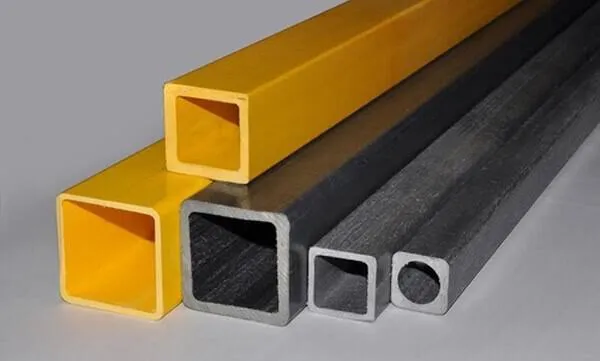
Vinyl Ester Resin for Pultrusion
A buyer-selection guide for the TDS-listed use of Vinyl Ester Resin in pultrusion. Confirm process and finished-component requirements separately before ordering.
Epoxy Clear Casting Resin Applications03
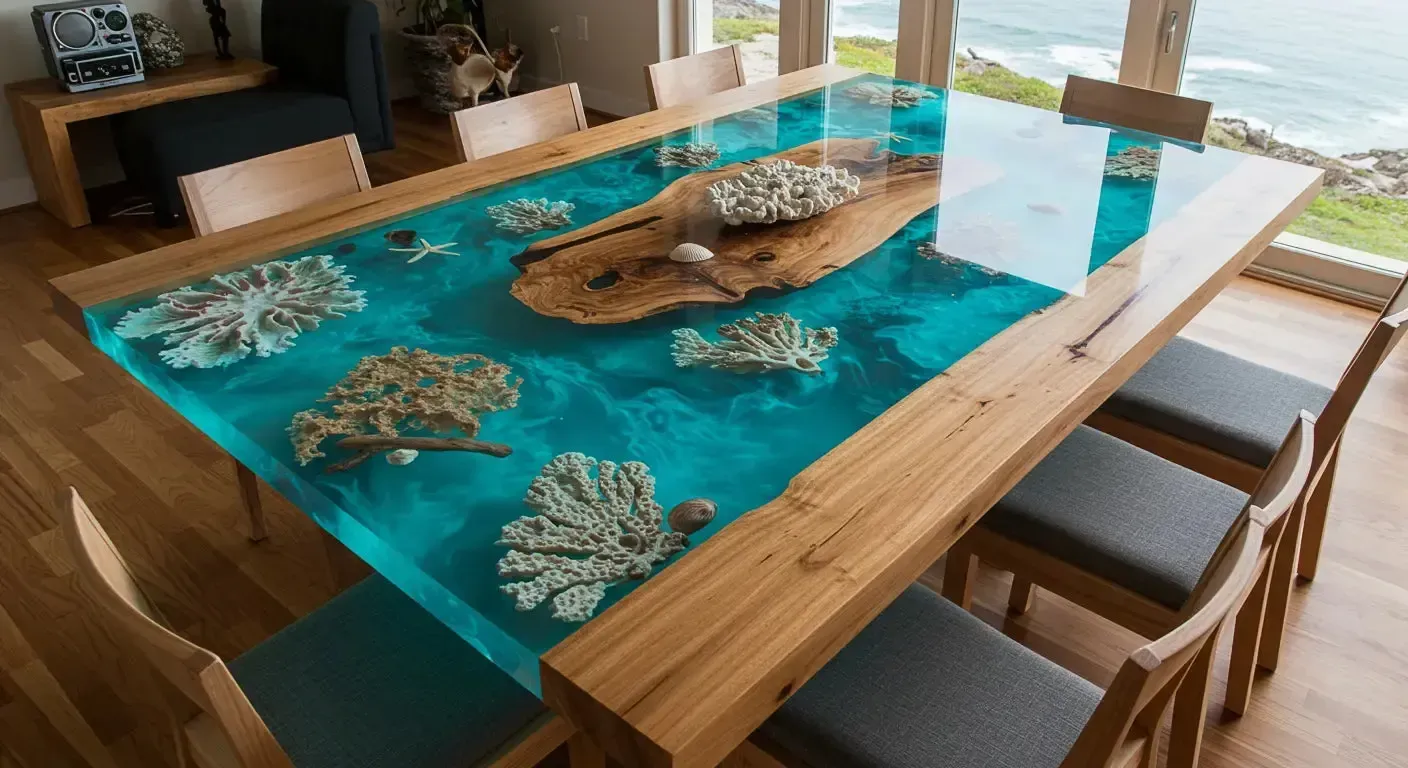
Epoxy Clear Casting Resin for River Tables & Wood Furniture
Live-edge river tables need a resin that stays optically clear against wood grain, resists shrinking away from the timber edge, and can be poured in successive ~30 mm stages to reach full tabletop thickness — exactly what Epoxy Clear Casting Resin's low-shrinkage, 2:1 epoxy system is formulated for.

Epoxy Clear Casting Resin for Jewellery & Decorative Casting
Small silicone moulds for jewellery and decorative pieces need a resin that captures fine detail, releases trapped air in a shallow pour, and cures crystal clear well within Epoxy Clear Casting Resin's medium-depth capability.

Epoxy Casting Process: Mixing to Finishing
Epoxy casting is a different discipline from polyester lamination — weighed rather than dosed by percentage, degassed rather than simply rolled, and cured over days rather than minutes. This guide covers mixing, pouring and finishing Epoxy Clear Casting Resin correctly.
Not sure which grade fits your process?