What this industry manufactures
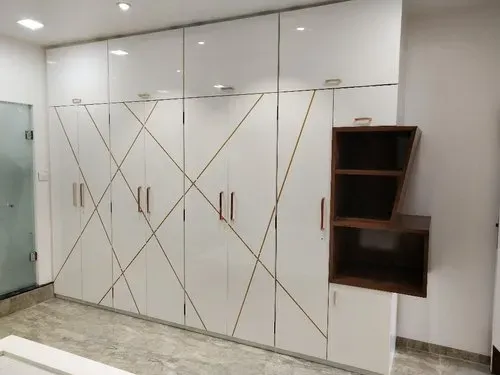
Furniture lamination work produces laminate-faced panels for modular furniture, cabinet doors and shutters, and cabinetry surfaces — giving furniture-grade board a decorative, durable finish.
Why Lamination Resin (LR Resin) is suitable
Lamination Resin (LR Resin) is a valid choice for furniture panel lamination where its 5-minute gel time and reliable adhesion to laminate sheets suit the production line, particularly where a resin bond is preferred over a contact-adhesive process. It is one option among several the furniture industry uses — PU and contact adhesives remain common alternatives, and the right choice depends on the specific production setup and finish required.
Required resin characteristics
- 01Fast gel time to suit furniture-panel production runs
- 02Reliable adhesion to decorative laminate sheets
- 03A clean, consistent surface finish
- 04Room-temperature or press-assisted cure depending on the production line
Manufacturing process
Resin catalysed with an MEKP hardener and cobalt octoate accelerator is applied to the furniture panel substrate, the decorative laminate sheet is positioned on top, and the assembly is pressed until the resin cures and bonds the sheet to the panel. The laminated panel is then cut, edge-banded and assembled into the finished furniture piece.
Advantages
- 5-minute gel time suits furniture-panel production runs
- Reliable adhesion to decorative laminate sheets
- A resin-bonded alternative where a contact-adhesive process isn't preferred
Common products produced
- Laminate-faced modular furniture panels
- Cabinet doors and shutters
- Decorative cabinetry surfaces
Frequently asked questions
No — it's one valid option. PU and contact adhesives are also widely used in furniture manufacturing for the same job. The right choice depends on your production setup.
Some manufacturers prefer a resin bond for its cure characteristics and finish; others prefer contact adhesive for its application speed. Both are legitimate, established methods.
With an MEKP catalyst (around 1.5%) and a cobalt octoate accelerator (around 0.4%), cured at room temperature or under a press.
Yes, it's used for bonding decorative laminate onto cabinet doors, shutters and general cabinetry panels.
Yes, it bonds reliably to both synthetic decorative laminate sheets and natural wood veneer.
Need resin for your furniture lamination line?
Get a bulk quote or talk to our technical team about the right dosage for your panel-facing production.