
What this industry manufactures
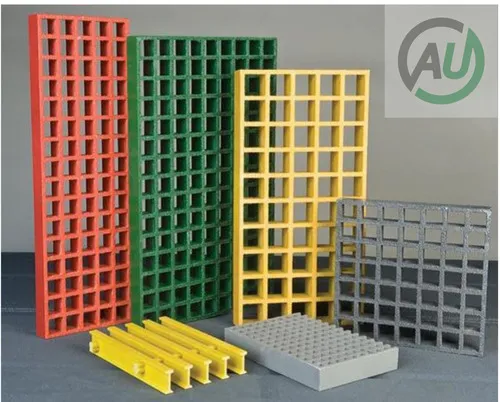
General FRP moulding covers products such as planters and garden ornaments, equipment and machinery covers, signage and display fixtures, mannequins, decorative architectural elements, and other moulded items that don't require the specialised chemical or fire-rated performance of an industrial tank or panel, but do need a clean, consistent moulded finish.
Why GP Clear Resin is suitable
GP Clear Resin suits general moulded product work because it wets out reinforcement evenly into detailed mould shapes and cures into a laminate that releases cleanly, without the surface defects that ruin a decorative or display piece. Its non-accelerated cure system lets fabricators dose for the specific mould complexity and part size at hand, and FRP Polyester Pigment can be blended in wherever a moulded product needs colour rather than a clear or natural finish.
Required resin characteristics
- 01Good flow into detailed or ornamental mould shapes
- 02A clean release from the mould without surface defects
- 03Compatibility with pigments for coloured decorative and display products
- 04Reliable room-temperature cure suited to small-batch and one-off moulding
- 05Consistent quality across a wide variety of product shapes and sizes
Manufacturing process
Moulded products are typically built with a gelcoat surface layer for finish, followed by chopped strand mat wet out with resin catalysed by an MEKP hardener and cobalt octoate accelerator, worked into the mould detail with a brush or roller. Once cured at room temperature, the part is released, trimmed of excess laminate at the mould line, and finished — painted, polished or left in its natural cured state depending on the product.
Advantages
- Reliable flow into detailed or ornamental mould geometry
- Clean mould release supports consistent finish quality on decorative and display products
- Compatible with FRP Polyester Pigment for coloured moulded items
- Non-accelerated cure system suits both small-batch and larger production runs
Common products produced
- Planters and garden ornaments
- Equipment and machinery covers
- Signage and display fixtures
- Mannequins and decorative architectural elements
Frequently asked questions
Yes. FRP Polyester Pigment can be blended into GP Clear Resin before catalysing to produce coloured mouldings, in addition to a clear or natural finish.
Most fabricators apply a gelcoat layer first for a smooth, finished surface, then laminate GP Clear Resin and reinforcement behind it to build the part's structural thickness.
It is cured at room temperature with an MEKP catalyst (around 1.5%) and a cobalt octoate accelerator (around 0.4%), with dosage adjusted to the size and complexity of the specific mould.
Yes, its viscosity supports good flow into mould detail, which helps reproduce ornamental or textured designs accurately during moulding.
E-glass chopped strand mat is the standard reinforcement, with layer count adjusted to the structural needs of the specific product being moulded.
Need resin for your moulded FRP products?
Get a bulk quote or talk to our technical team about the right grade and dosage for your moulding work.