

Home/Products/Epoxy & Casting/Fiberglass Epoxy Resin
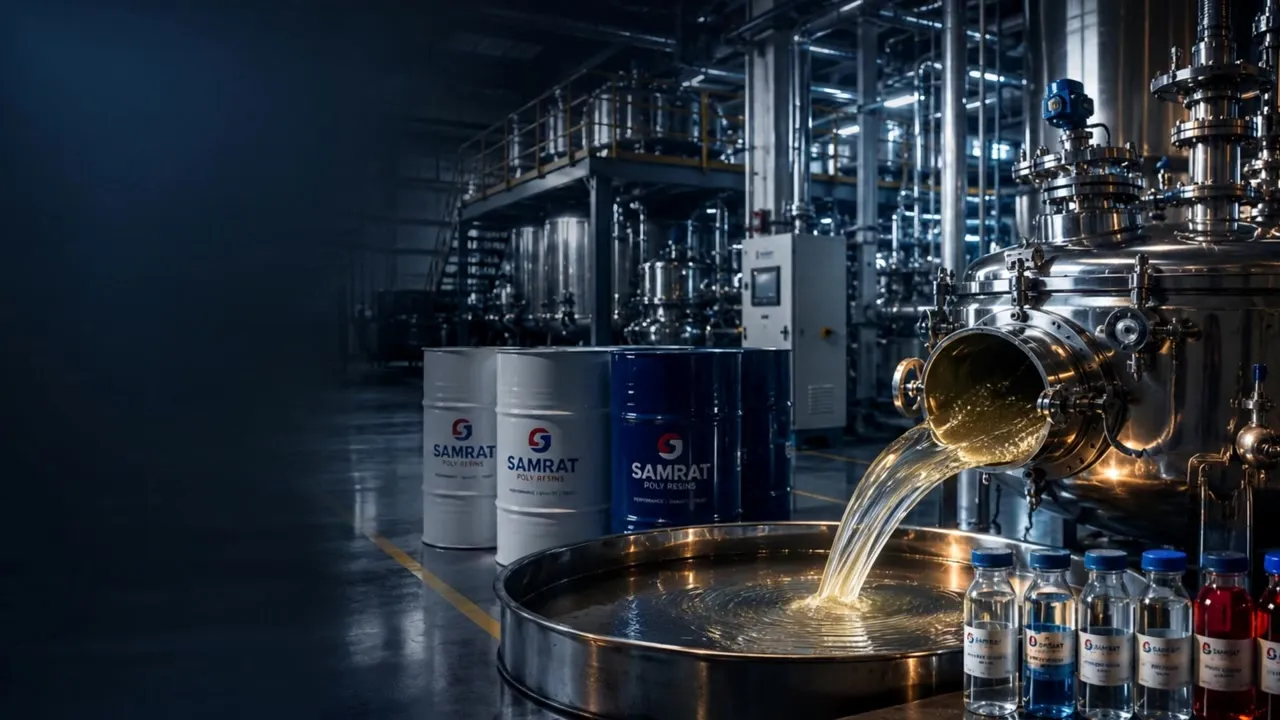
Fiberglass Epoxy Resin — epoxy system for fibreglass lamination; Samrat Poly Resins product graphic
Epoxy & Casting

Fiberglass Epoxy Resin

General-purpose epoxy resin system for fibreglass fabric reinforcement and lamination.

Samrat Poly Resins supplies Fiberglass Epoxy Resin as the current TDS-listed general-purpose epoxy-system route for fibreglass fabric reinforcement, hand lay-up and lamination. The documents identify an amine hardener as part of the system but do not name a specific compatible product or confirm whether it is included; verify the exact commercial arrangement before ordering.

Price

Price on Request

Fiberglass Epoxy Resin pricing varies based on:

  • Order Quantity
  • Finished composite, resin-only or system requirement, reinforcement form and document reference
  • Quantity, packaging, required documentation and delivery location
Request Fiberglass Epoxy Resin Quote

Product details

Published grade / roleGeneral-purpose epoxy system for fibreglass reinforcement and lamination (current TDS)
Reinforcement formFabric (current TDS)
Packaging20 kg pack
Minimum order quantity100 kg
Shelf life12 months (unopened)
Storage20-30°C; cool, dry place

Technical specifications

Resin typeEpoxy
Curing systemRoom-temperature cure with an amine hardener at 2:1 by weight
ProcessingHand lay-up and lamination; fabric reinforcement
Viscosity700 cPs at 25°C
Gel time35-45 minutes at 25°C
Specific gravity / density1.15 g/cm³
HDT / thermal data75°C
Flash point>100°C

Fiberglass Epoxy Resin is a general-purpose epoxy resin system manufactured by Samrat Poly Resins at Doraha, Punjab, for fibreglass reinforcement, composite manufacturing, hand lay-up and lamination. It is used with fibreglass fabric and cures at room temperature with an amine hardener at 2:1 by weight. Its TDS lists boat and marine components, wind-turbine components, and construction, electrical and automotive FRP laminates.

Fiberglass Epoxy Resin cures with an amine hardener at 2:1 by weight; tell us whether you need resin only or the complete system when you enquire. Epoxy Hardener is listed as a separate product. Glass Fiber is a separate reinforcement product. Fiberglass Epoxy Resin is a separate product from Bisphenol Resin, with its own TDS values.

Key features

  • General-purpose epoxy system for fibreglass fabric reinforcement
  • Low 700 cPs viscosity at 25°C for fabric wet-out
  • Room-temperature cure with an amine hardener at 2:1 by weight
  • 35-45 minute gel time at 25°C
  • Manufactured by Samrat Poly Resins at Doraha, Punjab

Applications

  • Boat building and marine components
  • Wind-turbine components
  • Construction, electrical and automotive FRP laminates
Industries we serve

  • Fibreglass composite and laminating buyers
  • Marine and boat building
  • Wind energy, construction, electrical and automotive composites

Why choose Samrat Poly Resins

  • Manufactured by Samrat Poly Resins at Doraha, Punjab
  • Published TDS and SDS for the grade
  • 20 kg packs with a 100 kg minimum order quantity
  • 12-month shelf life unopened

Frequently asked questions

The current Fiberglass Epoxy Resin TDS identifies a general-purpose epoxy system for fibreglass reinforcement, composite manufacturing, hand lay-up and lamination. It names fabric as the reinforcement form. Review the current TDS and finished composite requirement before selecting it.

They are separate products, each with its own TDS and SDS (Bisphenol Resin: SPR-TDS-BPR; Fiberglass Epoxy Resin: SPR-TDS-FER). Bisphenol Resin is a premium Bisphenol A and epichlorohydrin based resin at 600 cPs and 1.10 g/cm³, with 80 °C thermal data, for laminating, casting, coating, flooring and encapsulation. Fiberglass Epoxy Resin is a general-purpose epoxy system at 700 cPs and 1.15 g/cm³, with 75 °C thermal data, for fibreglass fabric lamination in marine, wind-turbine, construction, electrical and automotive laminates. Both cure at room temperature with an amine hardener at 2:1 by weight and have a 35–45 minute gel time at 25 °C. See Bisphenol Resin.

It cures with an amine hardener at 2:1 by weight. Tell us whether you need resin only or the complete system when you ask for a quotation. Epoxy Hardener is a separately listed product.

The TDS lists fibreglass reinforcement and lamination, with hand lay-up and lamination as published processing methods. Use the exact current document and application rather than assuming every laminating-epoxy requirement is identical.

The Fiberglass Epoxy Resin TDS names fabric reinforcement. Glass Fiber is the separate reinforcement product and its TDS says it is compatible with epoxy systems generally, but the Fiberglass Epoxy TDS does not prescribe a CSM weight, fabric type or reinforcement design for this grade.

Fiberglass Epoxy Resin is the published fiberglass-reinforcement and lamination route. Epoxy Clear Casting Resin has a separate clear, contained-casting role, while Epoxy Art Resin has a separate self-levelling decorative-surface role. These product roles do not establish a universal performance ranking.

Fiberglass Epoxy Resin is an epoxy-system route. Lamination Resin, Unsaturated Polyester Resin and GP Clear Resin are separate polyester-product routes with their own current documents and application roles. Select by the actual specified system and finished component rather than assuming one family is universally better.

The TDS uses broad chemical-resistance wording for water, acids, alkalis and solvents and lists 75°C as HDT / thermal data. It does not provide a chemical-compatibility chart, concentration limits, test context, continuous-service temperature, UV result, weathering result or finished-component approval. Do not treat the broad wording as a project-specific compatibility recommendation.

The detailed TDS lists epoxy type, general-purpose grade, room-temperature cure, hand lay-up and lamination, 700 cPs viscosity at 25°C, 35-45 minute gel time at 25°C, 1.15 g/cm³ density, 75°C HDT / thermal data, storage, shelf life, packaging and MOQ.

No. Finished performance can depend on the resin and hardener system, reinforcement, laminate construction, cure state, thickness, component design and tested configuration. The documents do not publish a laminate design, a finished mechanical rating or a project approval.

Do not rely on a product name alone to establish the resin/hardener pairing or a finished-system result.

Composite epoxy selection resources

Fiberglass Epoxy Resin buyer guides

Start with the published epoxy-system and fabric-reinforcement role, confirm the hardener and document boundary, compare separate epoxy and polyester routes, then prepare a focused composite-resin enquiry.

What Is Fiberglass Epoxy Resin?

A document-led guide to Samrat Poly Resins' Fiberglass Epoxy Resin route for published fabric-reinforcement, hand lay-up and lamination contexts.

3 min readRead Article →

Fiberglass Epoxy Resin System: Resin and Hardener Questions

Clarify the documented Fiberglass Epoxy Resin system boundary, separate hardener role and the information buyers need to confirm before procurement.

2 min readRead Article →

Fiberglass Epoxy Resin vs Clear Casting and Art Resin

Compare three separate Samrat epoxy product routes by their published roles: fiberglass reinforcement and lamination, clear contained casting, and decorative surface work.

2 min readRead Article →

Fiberglass Epoxy Resin vs Polyester Lamination Resin, UPR and GP Resin

A buyer-level comparison between Samrat's Fiberglass Epoxy route and its separate polyester Lamination, UPR and GP resin routes for fiberglass and composite questions.

2 min readRead Article →

Fiberglass Epoxy Resin vs Vinyl Ester Resin

Separate Samrat's documented Fiberglass Epoxy composite route from its specialist Vinyl Ester industrial FRP route without assuming a chemical-service or performance hierarchy.

2 min readRead Article →

Fiberglass Epoxy Resin Applications: Published Composite Contexts

Use the published TDS applications for fiberglass and composite work to frame a product discussion without turning them into certifications or fabrication instructions.

2 min readRead Article →

Fiberglass Epoxy Resin Technical Specifications and Document Check

Read the published Fiberglass Epoxy Resin TDS data and avoid turning supplied-resin data into finished-composite claims.

2 min readRead Article →

Fiberglass Epoxy Resin Data vs Finished Composite Performance

Understand why published Fiberglass Epoxy Resin data is not automatically a finished-laminate, marine, automotive, electrical or structural-component result.

2 min readRead Article →

Fiberglass Epoxy Resin Procurement Checklist

Prepare a document-led Fiberglass Epoxy Resin RFQ with the application, system, reinforcement, technical and commercial details needed for a focused discussion.

2 min readRead Article →

Company context and document control

Verify the company, product route and published records

Enquiry

Request a Fiberglass Epoxy Resin quote

Share the finished fiberglass or composite component, whether resin only or a complete system is required, reinforcement form if known, process, required data or documentation, quantity, packaging need and delivery location.

How should we reply? (phone or email, at least one)
We only use these to answer this enquiry.

Your enquiry is delivered to our email inbox by Web3Forms, a form-delivery service. The page you sent it from and how you reached the site (for example a search or a link) are attached so we know what you were looking at. We use the details to reply to you and discuss your requirement. This form does not sign you up to any newsletter or mailing list.Privacy Policy